

Uncategorised
2026 Office Design Trends in Nigeria: Why Ergonomics is Taking Center Stage
2026 Office Design Trends in Nigeria: Why Ergonomics is Taking Center Stage
The Nigerian workspace has undergone a massive transformation over the last few years. If you step into the new corporate offices in Eko Atlantic or the renovated creative studios in Ikeja, you’ll notice a shift.
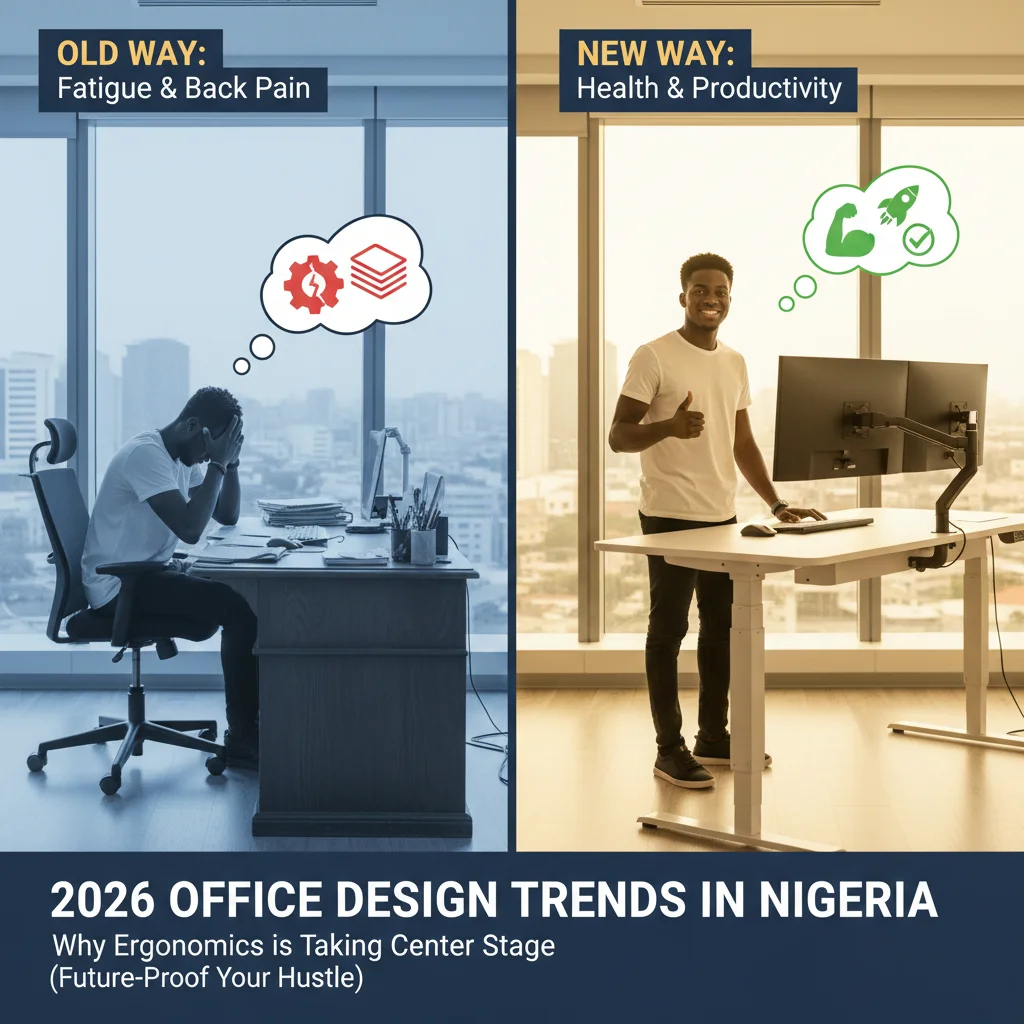
The days of dark, heavy wooden desks and stiff, stuffy leather “thrones” are fading. In 2026, the Nigerian office is becoming lighter, smarter, and—most importantly—healthier.
Design is no longer just about looking “expensive”; it’s about well-being and agility. Here are the top office design trends dominating Nigeria this year and why ergonomic seating is at the heart of it all.
1. The Rise of “Resimercial” Design
”Resimercial” (Residential + Commercial) is the biggest buzzword in Lagos office design right now. As more companies move to hybrid work models, they want their offices to feel as comfortable as a home but as functional as a boardroom.
- The Trend: Soft textures, warm lighting, and lounge areas.
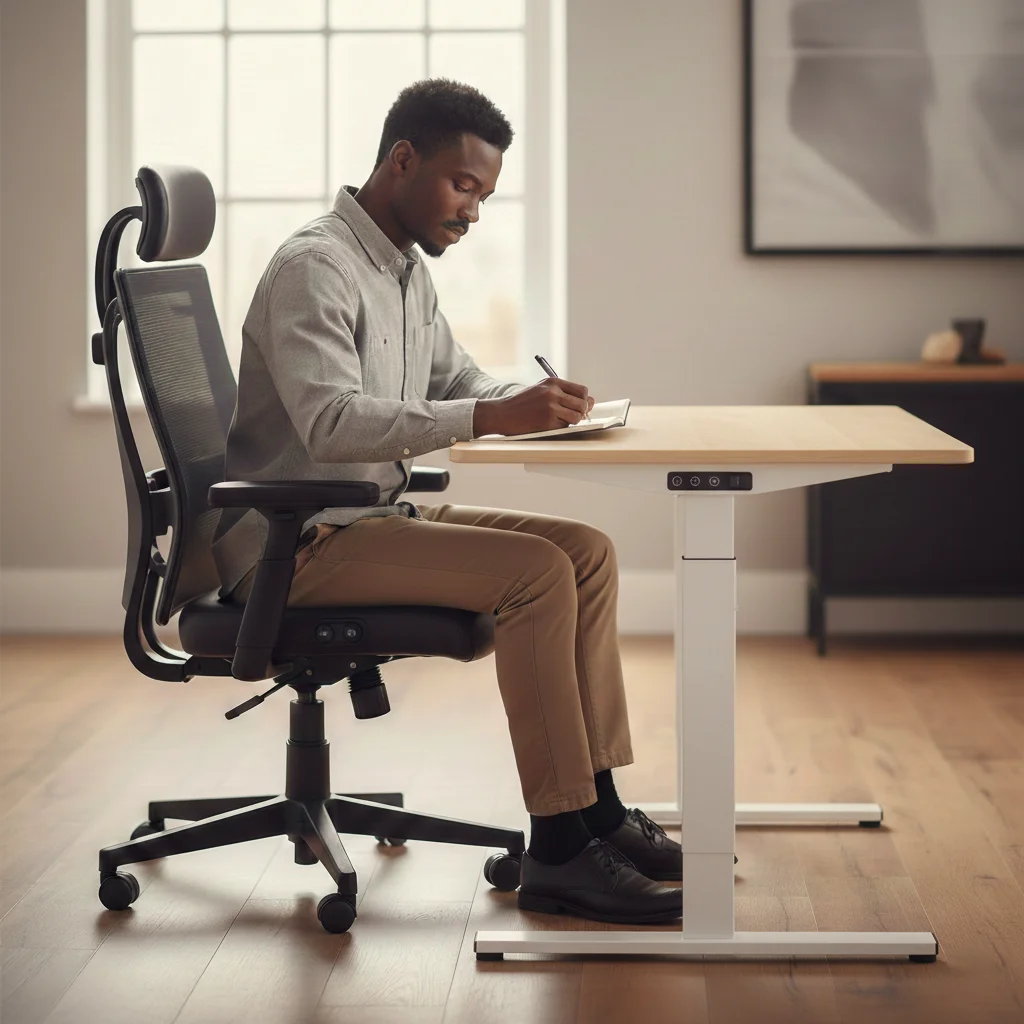
- The Ergonomic Factor: This has led to a demand for chairs that don’t look like industrial machines. Modern ergonomic chairs now feature sleek, curved lines and neutral fabric or mesh finishes that blend into a cozy, high-end environment.
2. Beyond Black: The New Color Palette
For decades, if you wanted an office chair in Nigeria, your only choice was black. That has changed.
- The Trend: 2026 is all about “Biophilic” colors—shades that connect us to nature. Think slate blues, sage greens, and charcoal greys.
- The Benefit: These colors reduce workplace stress and make the office feel more spacious and airy. Our new mesh collection reflects this shift, offering sophisticated tones that match modern brand identities.
3. Flexibility for “Hot-Desking”
Many Nigerian startups and even traditional firms are moving away from assigned seating. Employees come in, grab a desk, and get to work.
- The Problem: Different people have different heights and body types.
- The Solution: Chairs must be highly adjustable. A chair that takes ten minutes to “figure out” won’t work in a hot-desking environment. The trend is toward intuitive ergonomics—chairs with weight-sensitive tilting and easy-to-reach levers that allow any employee to get comfortable in seconds.
4. The “Wellness” Office
With Gen Z and Millennials making up the bulk of the Nigerian workforce, “hustle culture” is being replaced by “wellness culture.” Employees now ask about ergonomic support during job interviews.
- The Trend: Companies are investing in “health-first” furniture to attract and retain top talent.
- The ROI: Providing a high-end ergonomic chair is now seen as a standard employee benefit, similar to health insurance or a gym membership. It reduces absenteeism and keeps the team energized.
5. Sustainability and Local Durability
In 2026, Nigerian businesses are tired of “disposable” furniture. There is a growing trend toward sustainable quality.
- The Trend: Buying pieces that last 5–10 years rather than 12 months.
- The Sojionet Approach: We focus on chairs with replaceable parts and high-grade materials that can withstand the Nigerian climate (heat and humidity) without degrading.
Is Your Office Stuck in 2010?
Design trends come and go, but the human body remains the same. The move toward ergonomic-centered design isn’t just a fad—it’s a necessary evolution for a country that works as hard as Nigeria does.
Whether you are redesigning a single home office or a 5-story corporate headquarters, make sure your furniture reflects the future of work, not the past.
Stay ahead of the curve. Shop Sojionet’s Modern 2026 Ergonomic Collection here.
